

Manual Exfoliation That Refreshes
Skin Visibly
Dermaplaning in Boca Raton for clients seeking a smoother complexion and clearer makeup application surface
A specialized blade held at a precise angle across the skin's surface removes accumulated dead skin cells and fine vellus hair in a single manual exfoliation pass—that is what dermaplaning involves, and the simplicity of the mechanism is part of why it delivers such an immediately noticeable change in texture. Reflexole Spa offers dermaplaning as a standalone service or as part of a broader skincare appointment, suited to clients who want a refreshed complexion without the downtime associated with deeper treatments. The result you see in the days following your session—skin that catches light differently, feels smoother to the touch, and accepts makeup more evenly—comes directly from clearing the surface layer that dulls skin's natural reflectivity.
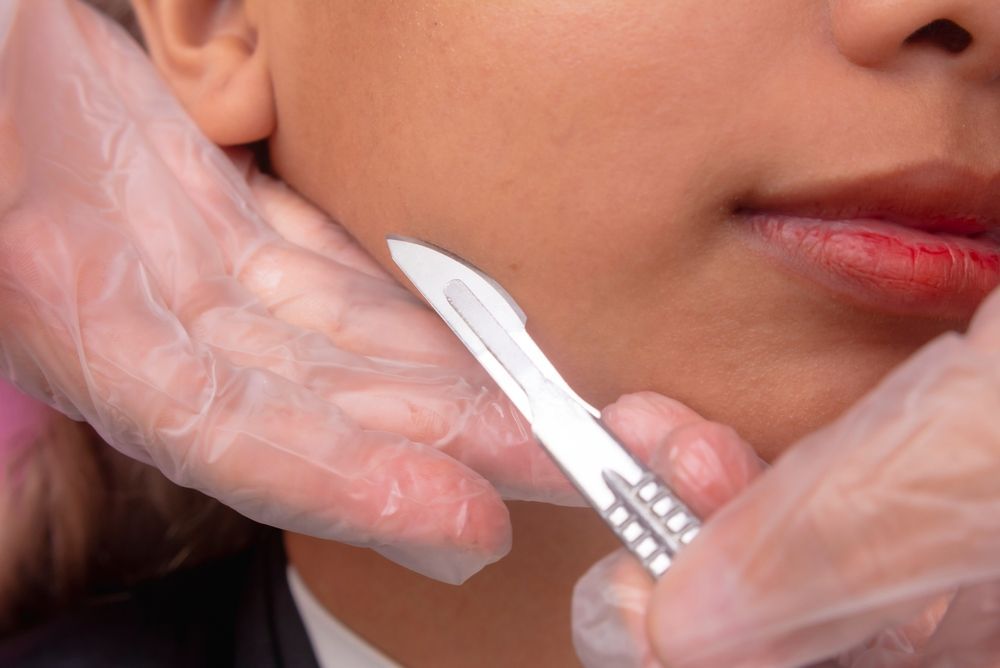
The treatment is performed using a sterile, single-use surgical-grade blade guided across the skin by a trained esthetician. Unlike chemical exfoliation, which relies on acid formulations to loosen dead cell bonds, dermaplaning lifts surface debris mechanically, making it a viable option for clients who are sensitive to chemical exfoliants or who prefer not to use them. In Boca Raton's heat and humidity, surface buildup from sunscreen, sweat, and environmental contact accumulates more quickly than in drier climates, which is why clients who maintain regular outdoor routines often find dermaplaning particularly useful for keeping their skin texture consistent.
Book an appointment at Reflexole Spa to discuss whether dermaplaning fits your current skin condition and what to expect from your first session.
What You Notice Once the Treatment Is Finished
Dermaplaning produces changes that are apparent immediately after the session. The esthetician works in short, controlled strokes across the treatment area, which typically covers the full face excluding the eyebrows and any active breakout areas. The process takes less time than most facial treatments and involves no chemical application, no heat, and no recovery period—clients leave with skin that is visibly smoother and can return to their regular activities the same day.
After the session, you will notice that skincare products applied to freshly dermaplane skin absorb differently—serums and moisturizers make contact with the underlying skin layer rather than sitting on top of accumulated dead cells, which affects how they perform. Makeup application is one of the most commonly noted changes: foundation and tinted products sit more evenly across the skin surface without the fine texture that vellus hair creates underneath. A clarification worth noting for clients concerned about hair regrowth: dermaplaning removes fine facial hair at the surface level only and does not affect the follicle, so regrowth returns at the same texture and color as before.
Sun care after dermaplaning deserves attention, particularly in Boca Raton where UV levels remain high across most of the year. Freshly exfoliated skin is more reactive to sun exposure in the days following treatment, so consistent SPF application is an important part of maintaining results and preventing sensitivity. Dermaplaning is typically scheduled every three to four weeks for clients who use it as a regular maintenance treatment, though the right interval depends on how your skin responds and what other services you combine it with.
Answers to Frequent Dermaplaning Questions
Clients considering dermaplaning for the first time often want to understand how the treatment works, what the blade actually does, and how to care for their skin afterward. The following questions address what comes up most often before a first appointment.
What does the dermaplaning blade actually remove?
The blade lifts the outermost layer of accumulated dead skin cells and vellus hair—often called peach fuzz—from the face, leaving the surface noticeably smoother without penetrating below the skin's surface.
Why does dermaplaning improve makeup application?
Vellus hair and surface texture create an uneven base that causes foundation and powder products to settle unevenly; removing that layer gives makeup direct contact with smoother skin, which affects how it looks in natural light.
How does dermaplaning fit into a Boca Raton skincare routine given strong sun exposure?
Because exfoliated skin is temporarily more reactive to UV contact, applying SPF consistently in the days after a dermaplaning session is especially important in a high-UV environment—this is one of the aftercare details the esthetician will review at your appointment.
When should someone avoid dermaplaning?
Clients with active acne breakouts, certain skin conditions, or recent use of specific prescription topical medications may not be good candidates for the treatment at a given time—the esthetician reviews these factors during your intake before the session begins.
How often should dermaplaning be scheduled to maintain results?
Most clients who use dermaplaning as a routine maintenance treatment schedule appointments every three to four weeks, which aligns with the skin's natural cell turnover cycle, though individual skin conditions may suggest a different interval.
Reflexole Spa can walk you through what to expect at your appointment and help you decide whether dermaplaning works as a standalone service or alongside other treatments—call (561) 347-9000 to discuss scheduling and preparation details before your visit.